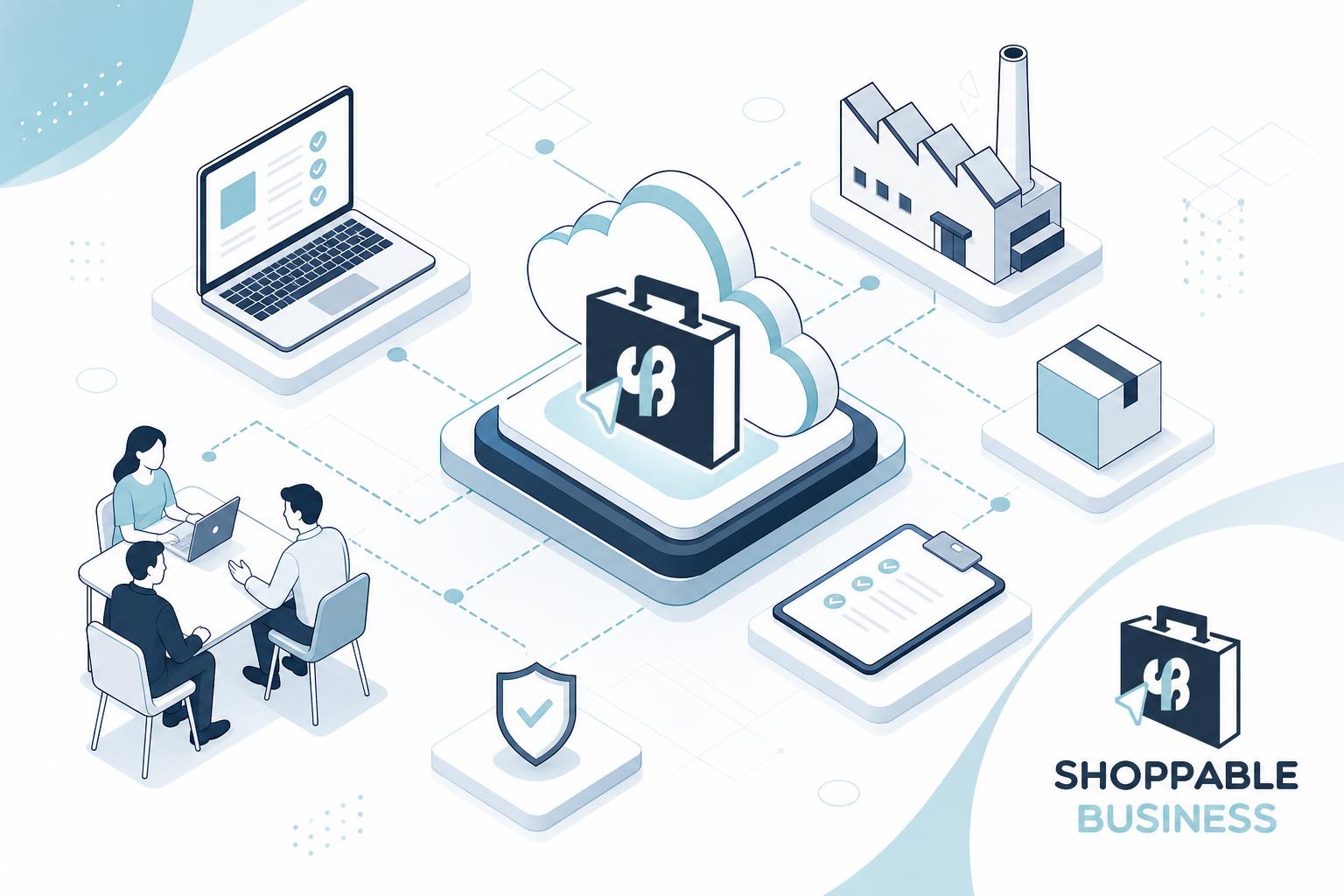
Many companies still treat procurement like an internal chore: someone on the finance or operations team juggles supplier calls, chases invoices, and manually tracks orders on spreadsheets. It works until it doesn’t. Growth exposes cracks fast, and suddenly you’re bleeding money through maverick spending, missed bulk discounts, and delayed deliveries. That frustration is exactly why a growing number of businesses, especially in the Philippines, are turning to an outsourced model where procurement becomes a managed service rather than an internal headache. If you’ve heard the term PaaS tossed around but aren’t sure what it actually means or whether it’s right for your company, this breakdown covers everything from the core concept to practical selection criteria.
Defining Procurement as a Service (PaaS)
At its simplest, procurement as a service is a model where an external provider handles some or all of a company’s purchasing functions on an ongoing basis. Think of it like hiring an entire procurement department, complete with specialists, software, and supplier networks, except you pay for it as a service rather than building it in-house. The provider manages sourcing, vendor negotiations, purchase orders, compliance documentation, and often logistics too.
What makes PaaS distinct from just “buying stuff through someone else” is the combination of human expertise and technology working together under a structured agreement. You’re not just outsourcing tasks. You’re subscribing to a procurement capability that adapts to your needs as they change.
The Evolution from Traditional Outsourcing to PaaS
Traditional procurement outsourcing has existed for decades. Companies would hand off transactional tasks like purchase order processing to a third party, usually to cut headcount costs. The problem? Those arrangements were rigid. You got labor arbitrage, not strategic value.
PaaS evolved from that model by adding strategic layers. Instead of just processing orders, providers now handle category strategy, supplier risk assessment, and spend analysis. The shift accelerated around 2020-2022 when supply chain disruptions forced companies to rethink how they sourced everything from semiconductors to office chairs. By 2026, the model has matured significantly, with providers offering modular services that companies can mix and match based on their actual gaps.
Core Components: People, Process, and Technology
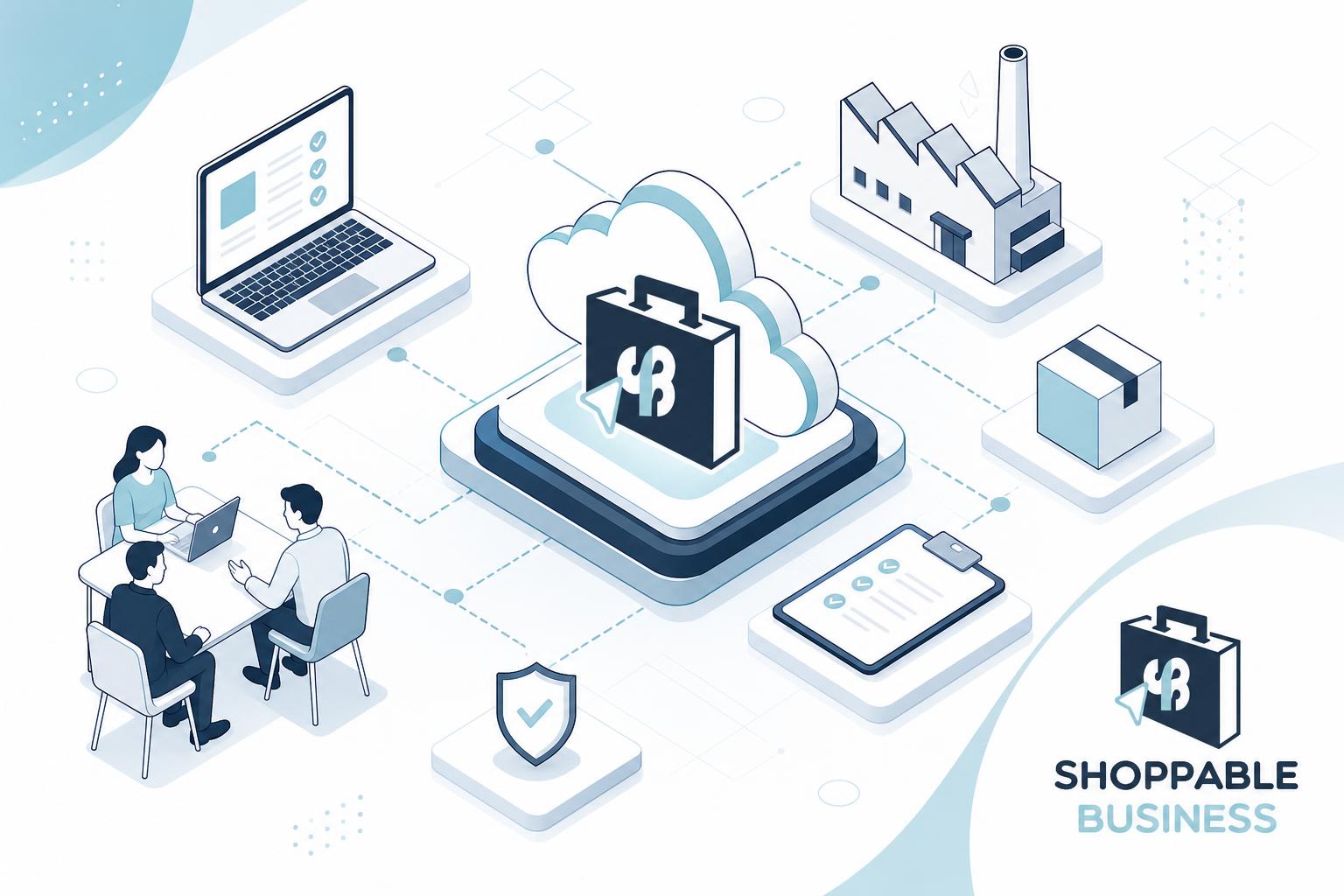
Every credible PaaS arrangement rests on three pillars. The people component includes procurement specialists, category managers, and sourcing analysts who bring domain knowledge your internal team likely lacks. The process component means standardized workflows for requisitions, approvals, supplier onboarding, and contract management. The technology component ties it all together: e-procurement platforms, spend analytics dashboards, and automated purchase-to-pay systems.
The real value emerges where these three overlap. A skilled category manager using good analytics software and following a proven sourcing process will consistently outperform an overworked office manager doing procurement as a side task. That’s not a knock on office managers; it’s just the reality of specialization.
Key Capabilities and Services Offered
PaaS providers aren’t one-size-fits-all. The best ones offer a menu of capabilities that you can activate based on your company’s size, industry, and maturity level. Here’s what a typical engagement covers.
Strategic Sourcing and Category Management
This is where the real savings happen. A PaaS provider will segment your spending into categories (IT equipment, office supplies, facilities management, logistics, etc.) and develop a sourcing strategy for each one. That means identifying the right suppliers, running competitive bidding processes, negotiating contracts, and continuously monitoring supplier performance.
For a BPO in Cebu or a growing eCommerce brand in Manila, this kind of structured approach can reduce category spending by 10-25% in the first year alone. The savings come from consolidation (fewer suppliers, higher volume discounts), better contract terms, and simply knowing what market rates actually look like.
Spend Analytics and Market Intelligence
You can’t fix what you can’t see. Most companies have surprisingly poor visibility into where their money goes. Spend is scattered across departments, credit cards, petty cash, and informal purchase channels.
A PaaS provider consolidates this data and turns it into something useful. You get dashboards showing spending by category, department, supplier, and time period. Platforms like Shoppable, for example, centralize purchasing through a single supplier on record, which automatically creates a clean data trail. That visibility makes it far easier to spot waste, enforce purchasing policies, and make informed budget decisions.
Transactional Procurement and P2P Support
Not everything in procurement is strategic. Someone still needs to create purchase orders, match invoices, handle returns, and process payments. The purchase-to-pay (P2P) cycle is tedious but critical, and errors here cause real financial pain.
PaaS providers handle this operational layer so your team doesn’t have to. They manage the entire transaction lifecycle from requisition to receipt, including three-way matching, exception handling, and payment processing. For companies dealing with high order volumes, this alone frees up dozens of staff hours per week.
The Business Benefits of Adopting PaaS
Why are more Philippine businesses moving to this model? The reasons go beyond simple cost cutting.
Cost Reduction and Scalability
The most obvious benefit is spending less. PaaS providers pool demand across multiple clients, giving them purchasing power that individual companies can’t match on their own. A 50-person SME buying 30 laptops gets nowhere near the pricing that a provider purchasing thousands of units across its client base can negotiate.
Scalability matters just as much. If your headcount doubles in six months (common for BPOs winning new contracts), a PaaS provider scales procurement support without you hiring a single additional person. If business contracts, you scale down. You’re paying for output, not maintaining fixed overhead. Shoppable’s model, which offers flexible payment terms including 30-day cycles and digital payment options, is a good example of how PaaS providers build financial flexibility into the arrangement itself.
Access to Specialized Expertise and Global Networks
Building a world-class procurement team internally requires years and significant investment. A PaaS provider gives you instant access to people who’ve spent their careers in sourcing, negotiation, and supply chain management. They know which suppliers are reliable, which ones cut corners, and where to find alternatives when your primary source can’t deliver.
Global sourcing networks matter particularly for Philippine businesses importing IT equipment, manufacturing components, or specialized supplies. A provider with established import channels, customs expertise, and warranty claim processing capabilities removes layers of complexity that would otherwise consume your team’s time.
Common Challenges and Implementation Risks
PaaS isn’t a magic fix. Like any significant operational change, it comes with real risks that deserve honest discussion.
Data Security and Integration Hurdles
Handing procurement data to an external provider means sharing sensitive information: pricing, supplier contracts, internal budgets, and employee details. You need to be confident that your provider has proper data security protocols, including encryption, access controls, and compliance with Philippine data privacy regulations under the Data Privacy Act.
Integration is the other headache. Your PaaS provider’s systems need to talk to your ERP, accounting software, and inventory management tools. If those connections are clunky or require manual data transfers, you lose much of the efficiency you signed up for. Ask hard questions about API capabilities and integration timelines before signing any contract.
Managing Change and Stakeholder Alignment
People resist change, especially when it affects how they’ve always done things. Department heads who are used to choosing their own suppliers and making purchases independently may push back against a centralized procurement model.
The fix is involving stakeholders early. Share the data on current spending inefficiencies. Show them how the new process actually makes their lives easier (faster delivery, fewer invoice issues, better product availability). The companies that fail at PaaS implementation almost always skip this step. They announce the change, hand everything to the provider, and wonder why adoption stalls at 30%.
Selecting the Right PaaS Provider
Choosing a provider is less about finding the cheapest option and more about finding the right fit. Here are the factors that actually matter:
- Look for providers with experience in your industry and region. A provider that understands Philippine tax compliance (BIR-certified invoicing, for instance) saves you from regulatory headaches down the road.
- Evaluate their technology platform. Can you see real-time spending data? Can your team place orders without calling someone? Is the interface something your employees will actually use?
- Check their supplier network. Do they have relationships with the brands and distributors you need? Can they guarantee product authenticity?
- Understand pricing structure. Some providers charge a percentage of spend, others use fixed monthly fees, and some use hybrid models. Make sure you understand what you’re paying for and how costs change as volume increases.
- Ask for references from companies similar to yours. A provider that excels with 10,000-employee enterprises might be a poor fit for a 200-person SME, and vice versa.
Shoppable is one example of a PaaS provider built specifically for the Philippine market, offering guaranteed authentic products with official BIR-certified sales invoices and end-to-end support from global sourcing through last-mile delivery. That kind of localized, compliance-first approach matters more than flashy feature lists.
The Future of PaaS: AI and Digital Transformation
AI is already reshaping how procurement services operate. By 2026, most serious PaaS providers use machine learning for demand forecasting, automated supplier risk scoring, and intelligent spend classification. These aren’t future promises; they’re table stakes.
The next wave involves predictive procurement: systems that anticipate what you’ll need before you request it, based on historical patterns, seasonal trends, and real-time market signals. Imagine your IT equipment orders being automatically suggested two weeks before your typical reorder point, with pricing already benchmarked against three alternative suppliers.
Digital transformation also means tighter integration between procurement and other business functions. Finance, operations, HR, and procurement will increasingly share a single data layer, making budget alignment and compliance monitoring nearly automatic. For Philippine businesses competing in global markets, this kind of operational maturity isn’t optional; it’s how you stay competitive.
The companies that will get the most from PaaS in the coming years are those that treat it as a strategic partnership rather than a transactional vendor relationship. Start by auditing your current procurement pain points, quantify the cost of inaction, and have honest conversations with potential providers about what success looks like for your specific business. The model works, but only when the fit is right.