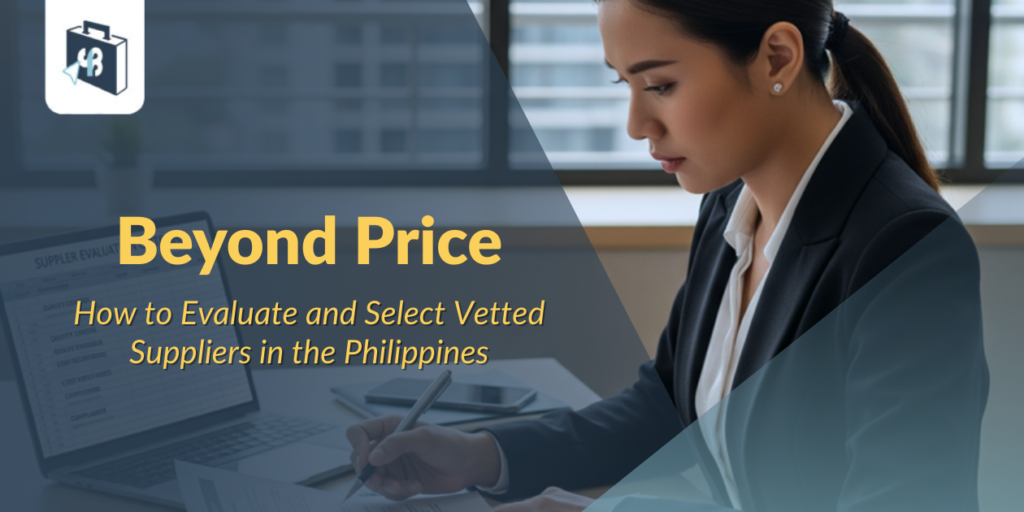
For any business in the Philippines, whether you’re a burgeoning startup, a growing SME, or an established enterprise, the quality of your suppliers can make or break your operations. It’s easy to be drawn in by the lowest price, but as countless Filipino entrepreneurs have learned, a cheap deal upfront can lead to expensive problems down the line – from product defects and delayed deliveries to reputational damage.
The true value of a supplier extends far beyond the number on their invoice. It lies in a robust, reliable, and synergistic partnership that contributes to your long-term success. This is where the concept of “vetting” comes in – a thorough evaluation process that ensures your chosen suppliers are not just cost-effective, but are also aligned with your business values and operational needs.
For business owners, procurement teams, finance teams, and even budding entrepreneurs navigating the vibrant but complex Philippine market, understanding how to truly vet and select the right suppliers is a strategic imperative.
Why “Beyond Price” Matters in the Philippines
The unique landscape of the Philippines amplifies the need for a comprehensive supplier evaluation:
- Geographic Challenges: Our archipelagic nature means logistics can be a nightmare. A supplier’s ability to consistently deliver, regardless of inter-island transport or weather conditions, is paramount.
- Quality Control: Varying production standards across different regions or smaller operators can impact product consistency.
- Business Culture: Building strong, trusting relationships (pakikisama) often goes a long way in ensuring preferential treatment, flexibility, and problem-solving when issues arise.
- Regulatory Compliance: Navigating local permits, labor laws, and environmental standards requires suppliers who are knowledgeable and compliant.
- Resilience: With natural disasters a frequent occurrence, a supplier’s disaster preparedness and contingency plans are critical.
The Pillars of Supplier Evaluation: What to Look For Beyond the Peso
To truly vet a supplier, you need to assess them across multiple dimensions. Here are the key criteria:
1. Quality and Consistency
This is arguably the most critical factor after price. A low price means nothing if the product is shoddy or inconsistent.
- Certifications: Do they have ISO certifications (like ISO 9001 for quality management) or other industry-specific accreditations? This indicates adherence to international standards.
- Quality Control Processes: Ask about their internal QC procedures. Do they perform checks at every stage of production? How do they handle defects or non-conforming products? Request their defect rate data.
- Samples and Trials: Always request samples of their products. For services, ask for case studies or demonstrations. Consider a small trial order before committing to larger volumes.
- References: Speak to their existing clients. Ask about product consistency, defect rates, and how the supplier handles issues.
2. Reliability and Delivery Performance
Timely delivery is crucial for managing your inventory, meeting customer expectations, and keeping your operations smooth.
- On-Time Delivery Rate (OTD): What is their historical record for delivering on schedule? Ask for data.
- Lead Times: Understand their typical lead times from order placement to delivery. Can they meet your specific deadlines, especially during peak seasons?
- Order Fulfillment Accuracy: Do they consistently deliver the correct quantities and items, free from errors?
- Responsiveness to Changes: How quickly can they adapt to changes in your order volume, specifications, or delivery schedules? This flexibility is invaluable in a dynamic market like the Philippines.
- Logistics Capabilities: Especially for inter-island transport, assess their logistics partners, warehousing capabilities, and ability to handle customs and port procedures efficiently.
3. Communication and Transparency
Effective communication is the cornerstone of any successful business relationship.
- Responsiveness: How quickly do they respond to inquiries, issues, or requests for information? Are they proactive in providing updates?
- Clarity: Is their communication clear, concise, and easy to understand? Are there language barriers that could lead to misunderstandings?
- Openness: Are they transparent about potential delays, production challenges, or changes in their own supply chain? A supplier who communicates problems early allows you to plan and mitigate risks.
- Dedicated Contact Person: Is there a specific account manager or point person you can reliably communicate with?
4. Financial Stability
You don’t want to partner with a supplier who might suddenly go out of business, leaving you in a lurch.
- Financial Health: While sensitive, you can ask for references, check public records (if applicable), or use credit reporting agencies to get an idea of their financial stability.
- Years in Business & Client Base: A long-standing business with a diverse client portfolio often indicates stability and reliability.
- Insurance: Do they have adequate insurance coverage for their operations and products?
5. Ethical Practices and Sustainability
Consumers and businesses alike are increasingly prioritizing ethical sourcing and environmental responsibility.
- Labor Practices: Do they adhere to fair labor laws, provide safe working conditions, and avoid child labor? This is especially crucial for manufactured goods.
- Environmental Impact: What are their practices regarding waste management, energy consumption, and sustainable sourcing? Do they have any environmental certifications?
- Social Responsibility: Do they engage in any community initiatives or uphold strong ethical standards in their business dealings?
6. Innovation and Scalability
A good supplier isn’t just a vendor; they can be a partner in your growth.
- Capacity for Growth: Can they scale their production or service delivery to meet your increasing demands as your business grows?
- Innovation: Are they investing in new technologies, processes, or product development? Can they offer suggestions for product improvement or cost reduction?
- Technological Integration: Can their systems integrate with yours (e.g., for automated ordering, inventory updates, or reporting) to streamline processes?
7. Customer Service and Problem Resolution
Even with the best suppliers, issues will occasionally arise. How they handle them is paramount.
- Dispute Resolution Process: Do they have a clear process for handling complaints, returns, or disagreements?
- Proactiveness in Solutions: When problems occur, are they quick to offer solutions, take responsibility, and work towards a resolution that minimizes impact on your business?
- Post-Sale Support: Do they offer adequate after-sales support, warranties, or technical assistance if needed?
How to “Vet” a Supplier in the Philippine Context
- Define Your Needs Clearly: Before you even look, know exactly what you need in terms of product specifications, quality standards, delivery schedules, and quantity.
- Initial Research: Use online B2B marketplaces (like Shoppable Business), industry directories, trade shows, and most importantly, referrals from trusted industry contacts. Word-of-mouth is powerful in the Philippines.
- Request for Quotation (RFQ) / Proposal (RFP): Don’t just ask for a price. Request detailed information on their processes, quality control, lead times, payment terms, and client references.
- Due Diligence & Background Checks:
- Verify business registration with DTI/SEC.
- Check their physical address (if possible, an on-site visit to their facility can be incredibly insightful, especially for manufacturers).
- Look for online reviews or news mentions.
- Contact their provided references. Ask open-ended questions about their experience.
- Trial Orders: For products, place small trial orders to assess quality, packaging, and delivery. For services, consider a pilot project.
- Negotiate Beyond Price: Once you have a shortlist, discuss terms that extend beyond unit cost: payment terms, delivery schedules, minimum order quantities (MOQs), return policies, and support services.
- Formalize Agreements: Put everything in writing. A clear contract or service level agreement (SLA) protects both parties and outlines expectations.
Building Lasting Partnerships
Selecting a vetted supplier isn’t the end of the journey; it’s the beginning of a relationship. Consistent communication, clear feedback, and a willingness to collaborate can transform a transactional relationship into a strategic partnership. In the interconnected Philippine business landscape, your suppliers are an extension of your team. By looking beyond just price and investing time in thorough vetting, you build a resilient supply chain that supports your business’s growth and ensures customer satisfaction. Choose wisely, and watch your business thrive.